


How Lighting Changes the Way We See Color
Lighting can make a surprising difference in how furniture looks at home.
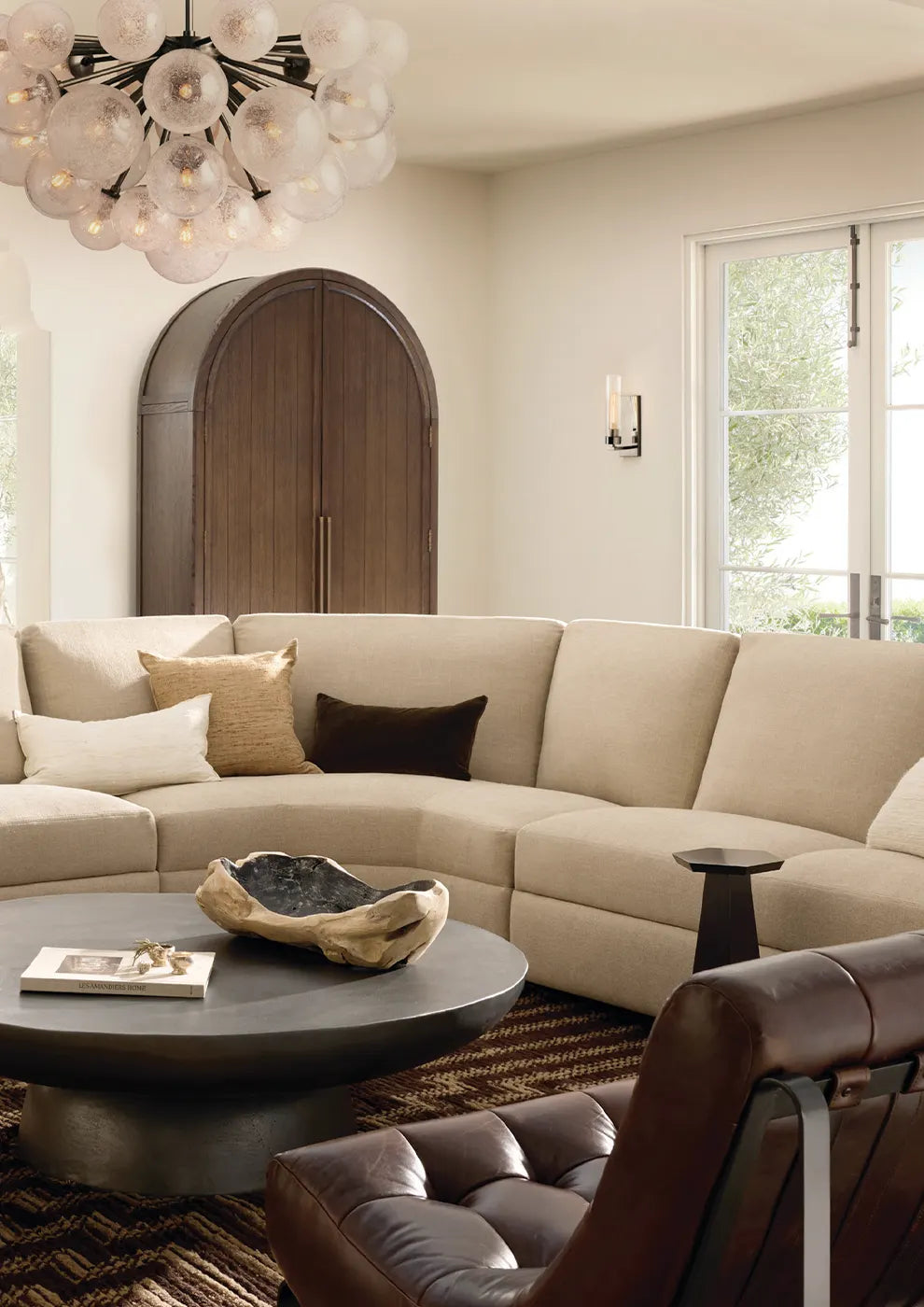
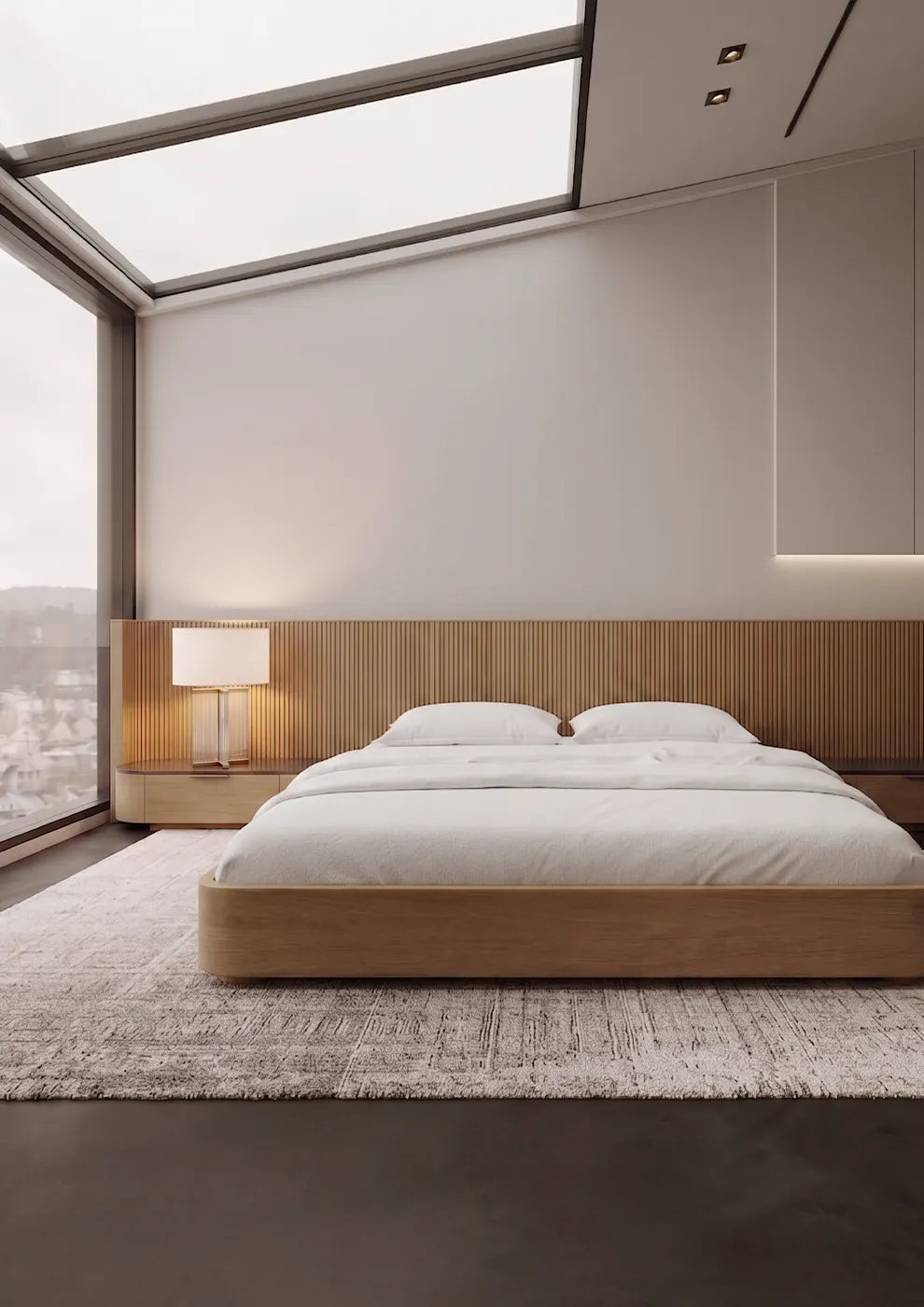
Warm light tends to bring out golden and amber tones in wood, while natural daylight often gives the same finish a more neutral appearance. Under cooler light, that same piece may look slightly grayer or more muted.
Wall colors, flooring, and nearby furnishings can also reflect color onto the surface.
The furniture hasn’t changed—the light around it has.

(The same white oak solid wood coffee table can appear warmer or cooler under different light sources.)
Why Color Can Look Different Across Screens
The same product photo can look a little different from one screen to another.
A phone may display warmer colors than a laptop, while another screen may make the same image look brighter, cooler, or more muted. Screen brightness, color settings, and features like Night Shift or True Tone can all play a part.
That’s why product photos are best used as a guide to the overall color and finish rather than an exact match across every screen.

(The same product image may appear slightly different across devices and displays.)
How Sunlight Affects Wood Tones
Sunlight can change the tone of natural wood over time.
If a lamp, stack of books, or decorative object stays in the same spot for months, the wood underneath receives less light than the surrounding surface. When the object is moved, you may notice a lighter or darker area where it once sat.
This is a natural response to uneven light exposure. Moving objects from time to time, especially on newer wood furniture, can help the surface age more evenly.

(Areas covered by objects may receive less sunlight, creating a visible difference in tone over time.)
Wood Can Change Color Over Time
Like many natural materials, wood changes as it ages.
Light, air, and everyday surroundings can slowly shift its color. How much it changes depends on the species, finish, and amount of light it receives. Some woods grow warmer or richer, while others may lighten, darken, or take on slightly different undertones.
Oak, for example, often develops a warmer, richer tone with age. These subtle changes are simply part of living with real wood.

(New and aged oak can show subtle differences in tone as the wood naturally evolves over time.)
Natural Variation Is Part of Wood
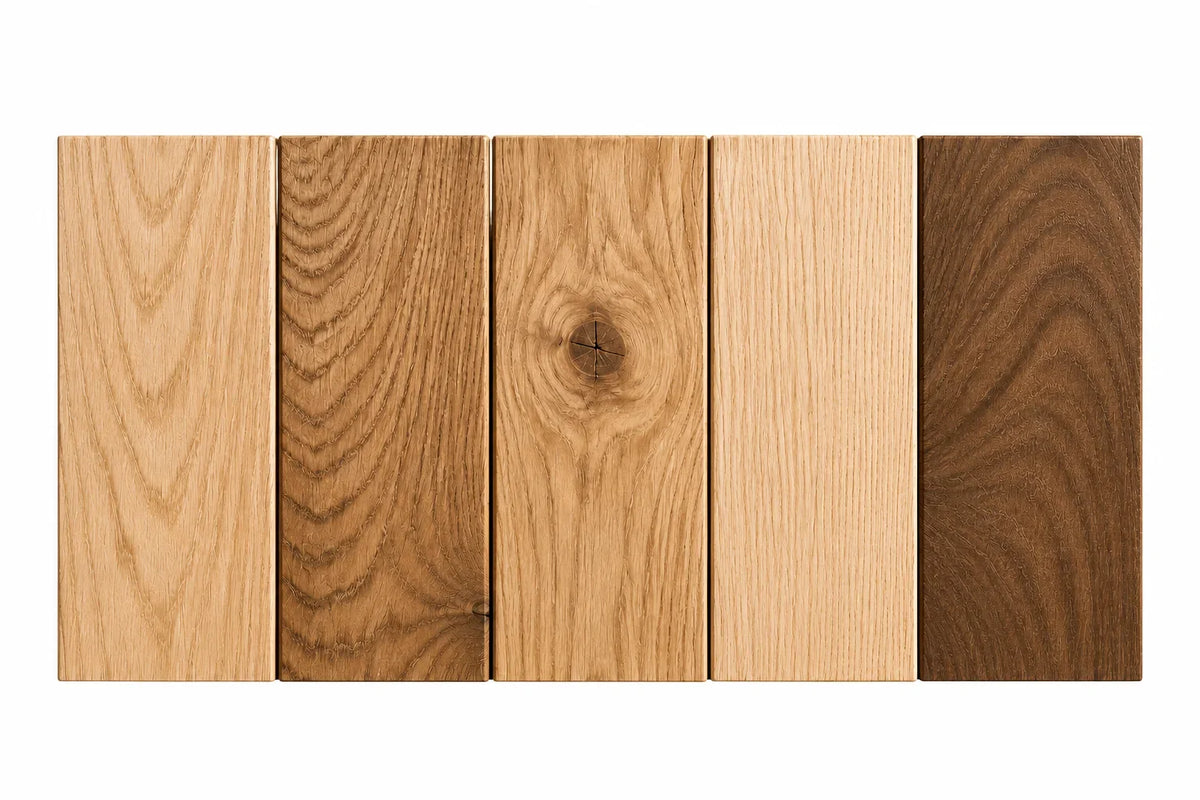
Every piece of natural wood has its own grain, tone, and markings shaped by the way the tree grew.
Even boards cut from the same species won’t look exactly alike. One may have a straighter grain, another more movement or visible knots. Some areas may also appear naturally lighter or darker than others.
That variation is part of the material itself—and part of what makes each piece unique.

(Natural wood varies in grain, tone, knots, and markings, making each piece visually unique.)
The beauty of wood is not found in perfect uniformity, but in the subtle individuality that develops through material, light, space, and time.