


Most people judge furniture by how it looks. I used to be one of them—until I bought a beautiful dresser that started wobbling after a year. That disappointment taught me something simple: the real difference between a 5-year piece and a 25-year one isn’t just in its sturdiness, but in its soul. You feel it when you pull a drawer, touch a corner, or sense how the weight settles into the floor.
And strangely enough, the pieces that look the most poetic often turn out to be the ones that work the hardest for you—day after day, quietly and reliably.
These are the details no one tells you to check—the same details that turn a functional object into a piece of quiet, daily art.
1. The Wood: Where Color, Mood, and Longevity Begin
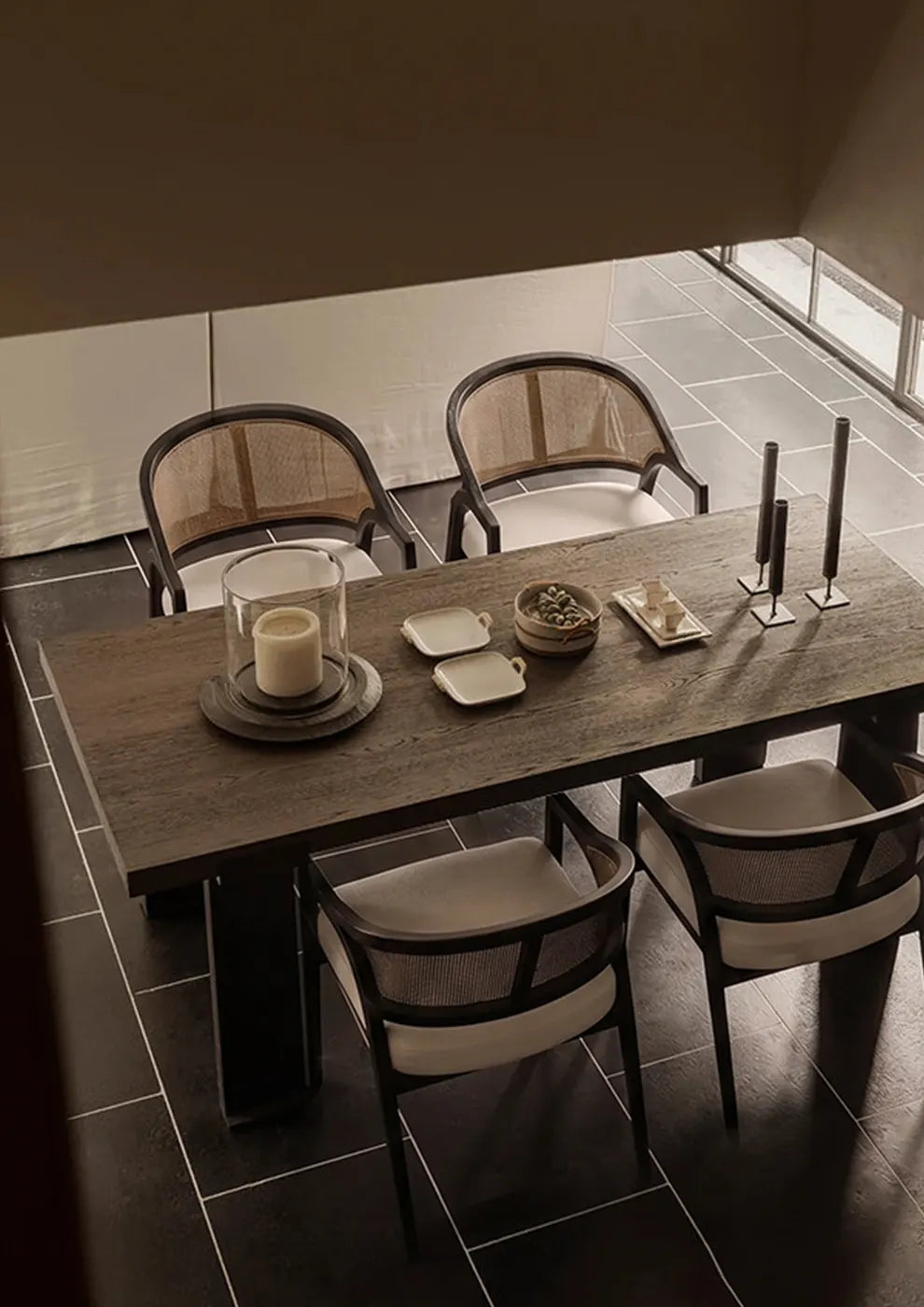
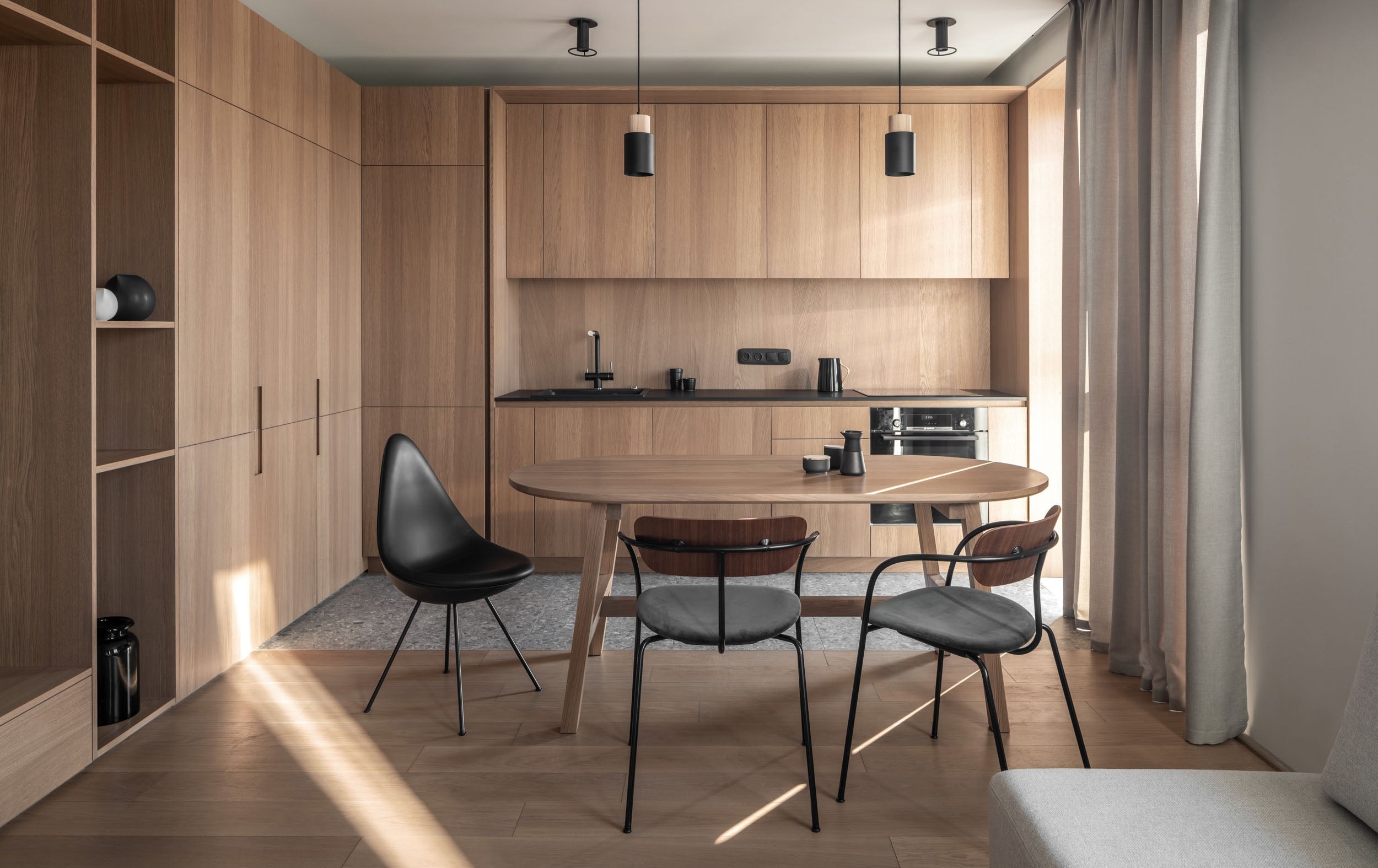
The first clue is always the grain. Run your hand across it: real, well-selected timber has a quiet rhythm, a warmth and subtle unevenness that veneer will never imitate. Look closely, and you’ll see a whole landscape—deep chocolate waves in walnut, bold honey-toned ridges in oak, the pale, serene canvas of ash. These aren’t just colors. They’re moods waiting to anchor your room.

But grain also affects real-life performance—how a table handles moisture, how a drawer glides, how the piece settles over time. Good material doesn’t just look better; it behaves better.
At Avenrel our craftsmen choose boards the way a good chef chooses ingredients: slowly, intentionally, one by one. One senior carpenter often tells me:
“When you work with good ash wood, you can feel its resilience. It isn’t resisting you—it’s working with you. And when the light hits its creamy surface just right, it’s like watching the wood breathe.”

That’s when material becomes something more than material—it becomes a companion to the years ahead.
2. The Craft: Architecture You Can Touch
People rarely inspect the joints. But they should—because that’s where the true architecture of a piece lives.
Dovetails, mortise-and-tenon joints… these aren’t just structures. They’re the maker’s signature. At Avenrel, we never hide them. When done well, they form a quiet visual rhythm—the subtle poetry of how things hold together.
Here’s the practical truth:
A good joint doesn’t just look satisfying—it prevents wobbling, keeps weight distributed properly, and saves you from the “tighten it again” cycle that cheap furniture demands.
Tip: Give a piece a gentle push. If it sways like it’s breathing, no amount of aesthetic beauty will save it.

Craftsmanship is where durability becomes visible, and where artistry earns its permanence.
3. Edges, Corners, and the Beauty of Thoughtfulness

Sharp corners may photograph well, but they bruise easily—both the wood and the people using it. Hand-sanded rounded edges aren’t just softer; they’re a philosophy. They speak of a piece designed for living, not just for a catalog.
I’ve seen customers run their hand along the corner of an Avenrel nightstand and pause—not because it is dramatic, but because it feels considered.
That tiny comfort you feel? That’s practical value disguised as elegance.
It’s the difference between something you admire and something you trust.
4. The True Test: Will It Belong to Your Life?

Furniture shouldn’t merely fill space. It should stay long enough to witness your rituals—the morning cup, the keys dropped after work, the books you mean to read but never do. A good piece absorbs not just your things, but the light of your room and the memory of your days.
And the pieces with true practical value are the ones you never need to fuss over—they simply work, quietly, without demanding anything back.
At Avenrel, we don’t aim to make “pretty wooden furniture.”
We aim to create heirlooms in the making—pieces that gather depth and character over time, much like people do. We want you to touch them a thousand times over the next 25 years and find that their beauty has grown quieter, richer, more yours.
If you ever have the chance, come feel one in person. Watch how the grain catches the afternoon light. Notice the harmony between form and function. Sometimes the truth of good furniture is something your heart understands long before your head does.